
Winter Immune Support: A Practical Routine

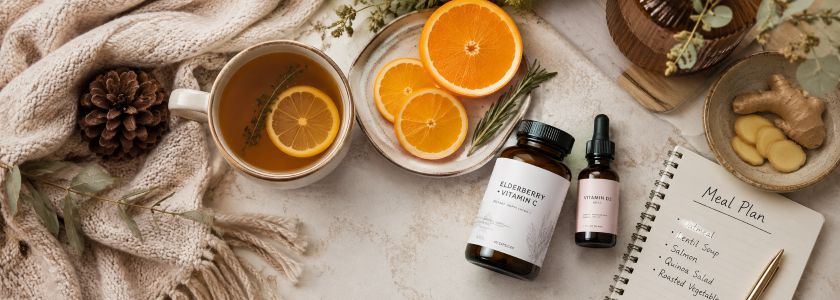
Winter can make everyday health routines harder to maintain. Shorter days, changing schedules, less time outdoors and busy work or family commitments can all affect how consistently you eat, sleep and look after yourself.
This is often when people begin searching for immune supplements. However, no single supplement replaces a balanced diet, sufficient sleep, regular physical activity or appropriate healthcare.
A more practical approach is to strengthen the foundations of your winter routine first, then consider whether a carefully selected supplement has a useful place in it.
Start with the foundations of immune health
Your immune system functions throughout the year, not only during winter. Supporting your general health therefore begins with everyday habits rather than a seasonal product alone.
Eat a varied diet
Aim to include a variety of foods from the five main food groups, including:
- Vegetables and legumes
- Fruit
- Wholegrain cereals
- Lean proteins, eggs, nuts, seeds or legumes
- Milk, yoghurt, cheese or suitable alternatives
Different foods provide different vitamins, minerals, protein, fibre and other nutrients. Regular dietary variety is generally more useful than relying heavily on one particular “superfood.”
Frozen vegetables and fruit can also be convenient during winter and may help you keep nutritious foods available when shopping or meal preparation becomes difficult.
Maintain a consistent sleep routine
Sleep is an important part of general health and normal immune function.
Where possible, try to:
- Go to bed and wake at similar times
- Allow enough time for sleep
- Reduce late-night screen use
- Keep the bedroom comfortable and quiet
- Speak with a health professional if sleep problems persist
A supplement cannot compensate for an ongoing lack of sleep.
Keep moving
Regular physical activity supports physical and mental wellbeing and may also improve sleep and stress management.
Winter activity does not need to involve an intense training program. Walking, home exercise, stretching, swimming, strength training and active household tasks can all contribute to a consistent routine.
Choose activities that suit your health, ability and schedule.
Stay hydrated
People may be less conscious of thirst during cooler weather, but regular fluid intake remains important.
Water should be the main drink. Warm drinks, soups and herbal teas may also help make fluid intake more appealing during winter.
When might an immune supplement be considered?
Not everyone needs an immune supplement simply because it is winter.
A supplement may be worth discussing with a doctor, pharmacist or qualified health professional when:
- A dietary deficiency has been identified
- Your diet excludes important food groups
- You have limited access to a varied diet
- A health professional has recommended a particular nutrient
- Your individual circumstances increase the likelihood of a deficiency
- You need a practical way to supplement a nutrient that is difficult to obtain consistently
The reason for taking a supplement should guide the product you choose.
For example, a person with an identified vitamin D deficiency has a different need from someone looking for a general vitamin-and-herb formula. Selecting a product because of a clear need is more useful than combining several products “just in case.”
For a more detailed explanation of common ingredients, read our immune booster supplements guide.
A simple checklist before choosing a supplement
1. Decide what you want the product to do
Start with a specific and realistic purpose.
Are you looking for:
- General nutritional support?
- A nutrient recommended after a blood test?
- A convenient daily formula?
- A product suitable for a particular age group?
- A short-term or ongoing supplement?
Avoid choosing a formula solely because it contains the longest ingredient list.
2. Review everything you already take
Check your current vitamins, minerals, protein powders, herbal products and fortified foods.
Several different products may contain the same nutrients. Combining them can unintentionally increase your total intake of ingredients such as vitamin C, zinc or vitamin D.
More is not automatically better.
3. Read the complete label
Look beyond the product name and front-label marketing.
Check:
- Active ingredients
- Amount supplied per dose
- Directions for use
- Daily dosage
- Age restrictions
- Allergy information
- Warnings and precautions
- Storage instructions
The directions and claims can differ between products, even when their front labels appear similar.
4. Check the AUST number where applicable
Medicines legally included in the Australian Register of Therapeutic Goods display an AUST L, AUST L(A) or AUST R number on the label.
The AUST number identifies the medicine on the Australian register. It does not mean that every product is suitable for every person, so the label directions and warnings still matter.
5. Choose a format you will use correctly
Immune support products may be available as:
- Tablets
- Capsules
- Powders
- Liquids
- Tonics
- Chewables
- Lozenges
A product that fits your routine and can be taken according to its directions is generally more practical than one you regularly forget or dislike using.
6. Reassess rather than adding more products
Do not automatically add another supplement because you do not notice an immediate difference.
Some nutritional products are intended to correct or prevent a deficiency rather than produce an obvious daily sensation. Other products may be intended only for a particular period.
Follow the label and obtain professional advice if you are uncertain about how long to continue.
Common winter supplement mistakes
Treating supplements as a substitute for food
Supplements are intended to complement the diet, not replace a varied eating pattern.
Taking several combination formulas together
This can duplicate vitamins, minerals or herbs and make it difficult to determine how much of each ingredient you are consuming.
Assuming “natural” means risk-free
Herbal and nutritional products can cause side effects, trigger allergies or interact with medicines.
Using an adult product for a child
Products intended for adults may contain unsuitable ingredients or dosages for children. Choose only products labelled for the child’s age and follow the directions carefully.
Expecting guaranteed protection from illness
An immune supplement should not be treated as a guaranteed way to prevent or cure a cold, influenza or another infection.
Follow relevant public health advice and consult a health professional when symptoms are persistent, severe or concerning.
When should you seek professional advice?
Ask a doctor, pharmacist or qualified health professional before starting a new supplement if you:
- Take prescription medicines
- Have a diagnosed medical condition
- Are pregnant or breastfeeding
- Are preparing for surgery
- Have experienced a reaction to a supplement
- Are choosing a product for a child
- Already use several supplements
- Are concerned that you may have a nutritional deficiency
Bring a list or photographs of your current products to the consultation. This makes it easier for the health professional to identify repeated ingredients and possible interactions.
Frequently Asked Questions
Does everyone need an immune supplement in winter?
No. Many people can obtain the nutrients they need from a varied diet.
A supplement may be useful where a specific dietary gap, deficiency or individual need has been identified. Your circumstances—not the season alone—should guide the decision.
Can immune supplements prevent colds or influenza?
No supplement should be relied on as a guaranteed way to prevent or cure a cold, influenza or another infection.
Individual therapeutic products may have permitted indications relating to immune health or symptom relief. These claims must be considered product by product and used according to the label.
Can I use several immune supplements together?
Check the active ingredients before combining products.
Different formulas may repeat vitamin C, zinc, vitamin D or herbal ingredients. A pharmacist or health professional can help you review the total amounts if you use several products.
How long should I take an immune supplement?
Follow the product directions.
Some supplements are intended for ongoing use, while others may be recommended for a defined period. Obtain professional advice if the label is unclear or if you are treating a diagnosed deficiency.
Are adult immune supplements suitable for children?
Not necessarily.
Use only products clearly labelled for the child’s age and follow the recommended dosage. Ask a pharmacist or health professional when you are uncertain.
A practical winter routine begins with nutritious food, sufficient sleep, regular movement and appropriate healthcare. Supplements can then be considered for a defined need rather than used as a replacement for those foundations.
Explore the immune support supplement range available from Elite Vitamin Zone and compare the ingredients, formats, directions and warnings before choosing a product.
Always read the label and follow the directions for use. Supplements should not replace a balanced diet or appropriate medical care.
Sources
- Healthdirect Australia — Immune System
- Healthdirect Australia — Dietary Supplements
- Healthdirect Australia — Sleep
- Australian Government, Eat for Health — Australian Dietary Guidelines 1–5
- Therapeutic Goods Administration — AUST Numbers on Medicine Labels
- Therapeutic Goods Administration — Applying the Advertising Code Rules: General Requirements