
Antioxidants: Foods, Benefits and Supplements

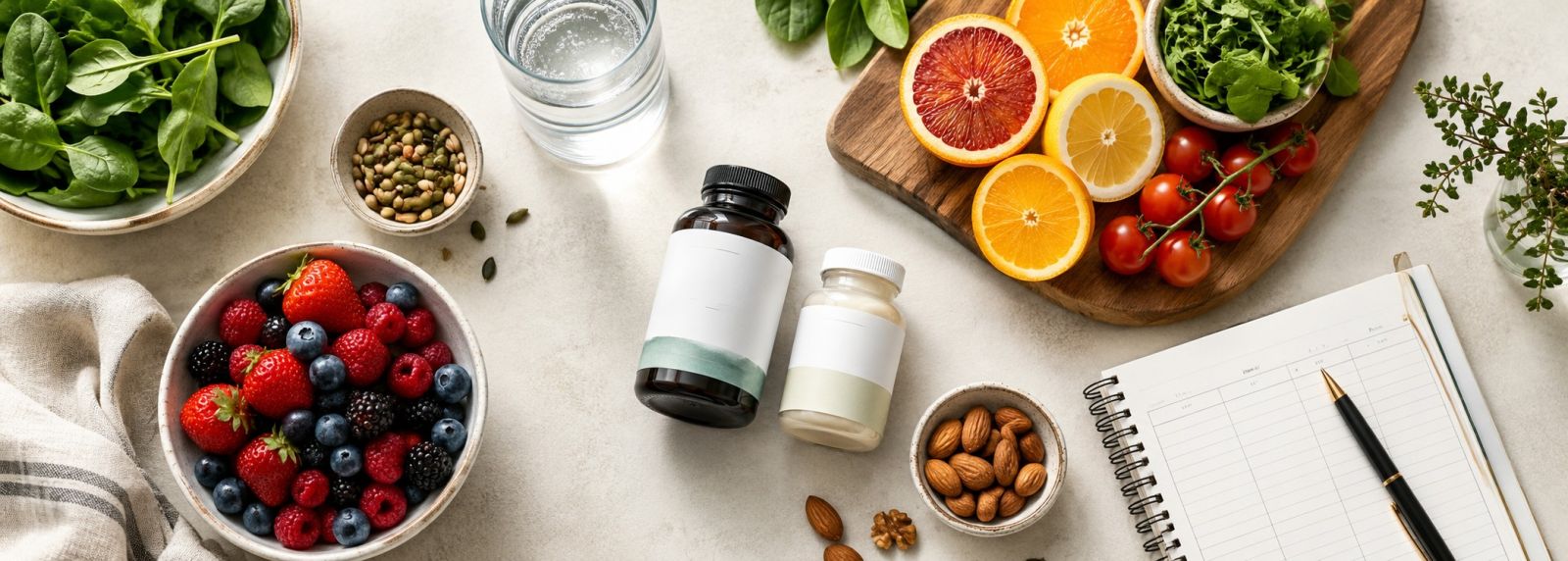
You may have seen the word “antioxidant” on vitamin labels, food packaging and wellness products without being entirely sure what it means.
Antioxidants are substances that help protect the body’s cells from damage caused by unstable molecules known as free radicals. Your body produces some antioxidants naturally, while others come from foods and, when appropriate, supplements.
Antioxidants are important, but more is not always better. A varied diet remains the best starting point, and supplements should be selected according to your individual needs rather than used as a substitute for healthy eating.
What Are Free Radicals?
Free radicals are unstable molecules produced during many normal processes in the body, including metabolism, exercise and immune activity.
They are not automatically harmful. Your immune system, for example, uses free radicals as part of its normal defence processes. Problems can arise when free radicals build up faster than the body can manage them.
This imbalance is commonly called oxidative stress. It can contribute to damage involving cells, proteins, fats and DNA. Factors such as smoking, excessive alcohol consumption, pollution, ultraviolet exposure and ongoing stress may increase oxidative activity in the body.
What Do Antioxidants Do?
Antioxidants help stabilise free radicals and support the body’s natural protective systems.
Rather than trying to eliminate all free radicals, the goal is to maintain a healthy balance between free-radical activity and antioxidant defences.
Different antioxidants work in different ways. This is one reason why eating a broad range of nutritious foods is generally more beneficial than relying on a large dose of one isolated antioxidant.
Common nutrients and food compounds with antioxidant activity include:
-
vitamin C
-
vitamin E
-
beta-carotene and other carotenoids
-
selenium
-
flavonoids
-
polyphenols
-
lycopene
-
lutein and zeaxanthin
The body also produces its own antioxidant substances and enzymes.
Foods That Provide Antioxidants
Antioxidants are widely available in everyday foods. You do not need one particular “superfood” to obtain them.
Try to include a variety of different colours and food groups throughout the week.
Vitamin C sources
Vitamin C is found in foods including:
-
oranges and other citrus fruits
-
kiwifruit
-
strawberries
-
tomatoes
-
capsicum
-
broccoli
-
leafy green vegetables
Vitamin E sources
Vitamin E is commonly found in:
-
almonds and other nuts
-
seeds
-
avocado
-
vegetable oils
-
peanut butter
-
spinach
-
wholegrains
Carotenoid sources
Carotenoids are natural pigments found in many red, orange, yellow and dark-green vegetables and fruits, including:
-
carrots
-
pumpkin
-
tomatoes
-
mangoes
-
apricots
-
spinach
-
sweet potato
Plant compounds
Berries, tea, cocoa, herbs, spices, legumes, onions and many vegetables contain plant compounds such as flavonoids and polyphenols.
Seafood, meat, eggs, nuts and wholegrains can also provide minerals that contribute to the body’s antioxidant systems.
Are Antioxidant Supplements Better Than Food?
Antioxidant supplements are not considered a replacement for antioxidant-rich foods.
Whole foods provide combinations of vitamins, minerals, fibre and plant compounds that cannot always be reproduced in a capsule or powder. Research has also not shown that taking high-dose antioxidant supplements provides the same broad health benefits associated with eating plenty of fruit and vegetables.
For most people, the best approach is:
-
build a varied and balanced diet;
-
identify any genuine dietary gaps;
-
use supplements selectively when there is a clear reason.
An antioxidant supplement may sometimes be considered when a person has a restricted diet, difficulty absorbing nutrients, increased nutritional requirements or advice from a qualified healthcare professional.
Common Ingredients in Antioxidant Supplements
Products marketed for antioxidant support may contain individual nutrients or combinations of ingredients.
Examples include:
Vitamin C
Vitamin C is a water-soluble vitamin with antioxidant activity. It also supports normal immune-system function and collagen formation.
Vitamin E
Vitamin E is a fat-soluble vitamin that helps protect cells from free-radical damage. Because it is fat soluble, high-dose supplementation should not be approached on the assumption that more is always beneficial.
Selenium
Selenium is a trace mineral involved in antioxidant enzymes produced by the body. Only small amounts are required, making it important to check the combined amount supplied by different products.
Plant-derived compounds
Some antioxidant formulas contain ingredients such as astaxanthin, grape-seed extract, resveratrol, curcumin or other plant extracts.
Other antioxidant-support ingredients
Some products may contain coenzyme Q10, alpha-lipoic acid or nutrients involved in the production and recycling of the body’s own antioxidants.
Each ingredient has different functions, doses and precautions. Products should therefore be compared according to their complete formulation rather than simply by the number of ingredients listed.
When Might a Supplement Be Worth Considering?
A supplement may be worth discussing with a healthcare professional when:
-
your diet excludes several major food groups;
-
you have been diagnosed with a nutrient deficiency;
-
a medical condition affects nutrient absorption;
-
you are pregnant, breastfeeding or experiencing changing nutritional requirements;
-
you take medicines that could affect nutrient levels;
-
a healthcare professional has recommended a particular nutrient or formulation.
A supplement should have a clear purpose. It should not be taken merely because its label contains the words “antioxidant”, “detox” or “anti-ageing”.
How to Choose an Antioxidant Supplement
Before buying a product, consider the following points.
Check the active ingredients
Look at the amount of each active ingredient rather than judging the product by the claims on the front of the container.
Avoid unnecessary duplication
A multivitamin, individual vitamin product and antioxidant formula may contain some of the same nutrients. Combining them could result in a much higher total intake than expected.
Follow the directions
Use the dosage shown on the Australian product label unless your healthcare professional has advised otherwise.
Consider medicines and health conditions
Antioxidant supplements can interact with medicines and medical treatments. High-dose vitamin E, for example, may increase bleeding risk, while high-dose beta-carotene is not considered suitable for smokers or some former smokers.
People receiving cancer treatment should consult their treating healthcare team before taking antioxidant supplements because some products may interfere with treatment. Choose according to your needs
The strongest or highest-dose product is not automatically the most suitable. The best choice depends on your diet, current supplements, medicines and reason for use.
A Food-First, Needs-Based Approach
Antioxidants form part of the body’s normal protective systems, but they are only one part of maintaining good health.
Regularly eating vegetables, fruit, nuts, seeds, wholegrains and other nutritious foods provides a broad range of antioxidants along with fibre and essential nutrients.
Supplements may provide additional support where there is a genuine dietary need, but they should be used thoughtfully and in accordance with their labels.
Explore the antioxidant supplements range at Elite Vitamin Zone to compare available formulations and ingredients.
Frequently Asked Questions
Is vitamin C an antioxidant?
Yes. Vitamin C acts as an antioxidant and also contributes to several other functions, including normal immune-system function and collagen formation.
Is vitamin E an antioxidant?
Yes. Vitamin E is a fat-soluble antioxidant that helps protect cells from free-radical damage. High-dose supplements may not be suitable for everyone.
Are all antioxidants vitamins?
No. Antioxidants include vitamins, minerals, naturally occurring plant compounds and substances produced within the body. Examples include vitamin C, vitamin E, selenium, carotenoids, flavonoids and antioxidant enzymes.
Are antioxidant supplements better than fruit and vegetables?
Generally, no. Foods provide combinations of antioxidants, fibre and nutrients that isolated supplements do not always reproduce. Supplements may still be useful when there is a specific dietary or health-related need.
Can I take an antioxidant supplement with a multivitamin?
Possibly, but the two products may contain overlapping ingredients. Compare their labels carefully and speak with a healthcare professional if you are unsure about the combined amounts.
Can antioxidant supplements prevent disease?
Antioxidant supplements should not be relied on to prevent, treat or cure disease. Evidence does not support routinely taking high-dose antioxidant supplements for general disease prevention.
Who should seek advice before using antioxidant supplements?
Speak with a healthcare professional before supplementation if you are pregnant or breastfeeding, take regular medicines, smoke, have a medical condition, are preparing for surgery or are receiving cancer treatment.
Sources
-
Healthdirect Australia — Antioxidants. tter Health Channel, Victorian Department of Health — Antioxidants. tional Center for Complementary and Integrative Health — Antioxidant Supplements: What You Need to Know. althdirect Australia — Vitamin E and Your Health.
The information in this article is general in nature and is not intended to replace advice from a qualified healthcare professional. Always read product labels and follow the directions for use. Speak with your healthcare professional about symptoms, medicines and whether a supplement is suitable for you.